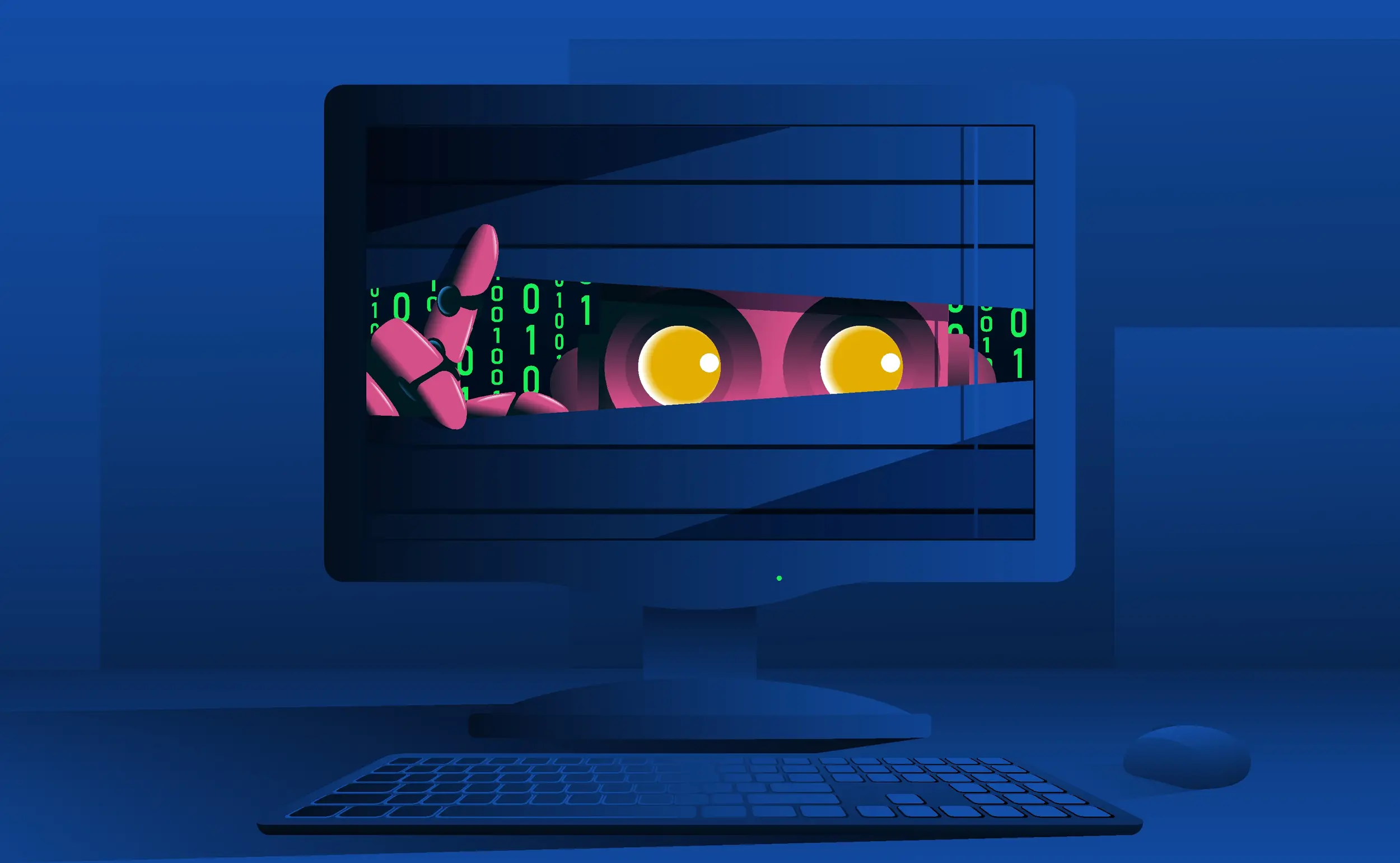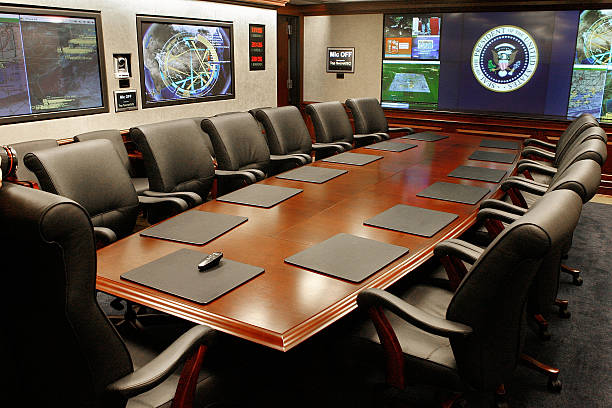
Christopher Whyte, Ph.D., an associate professor in the Homeland Security and Emergency Preparedness program at the Wilder School, has published a new research article, “Bolts from the blue: How technological novelty impacts crisis decision-making,” in a special issue of the journal International Relations on cyber conflict. His focus is the kind of scenario national security officials increasingly face: a crisis is unfolding, the stakes are high and an unfamiliar AI system is suddenly part of the toolbox.
Using two large-scale experimental simulations with military and policy professionals, Whyte compares three conditions: no AI, AI as a decision-support tool and AI granted autonomous decision-making authority. When AI was put in charge across several dimensions, participants hesitated, reported higher levels of uncertainty and asked for more intelligence. When AI appeared as a tactical aid, their behavior looked much more like traditional crisis decision-making.
.jpg)
The study’s conclusion cuts against the idea that exposure alone will solve the problem. Crisis behavior, Whyte finds, is shaped not just by whether leaders have seen a technology before, but by the stacked uncertainties that come with novel tools — about capability, command and moral responsibility. Accounting for those layers, he argues, is essential to understanding how foreign policy decisions are made under conditions of technological disruption.